Florida Structural Steel +
Florida Structural Steel -


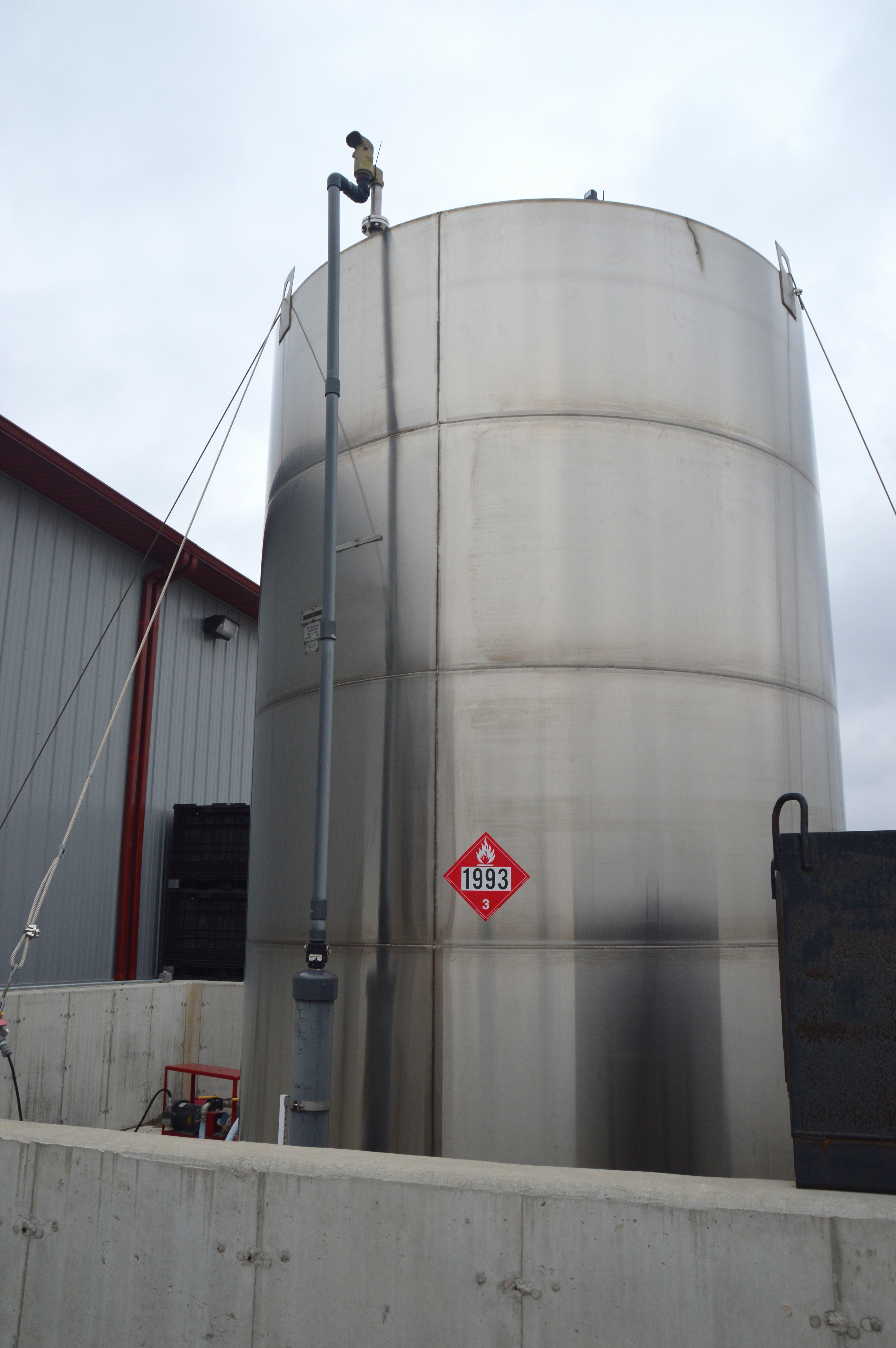
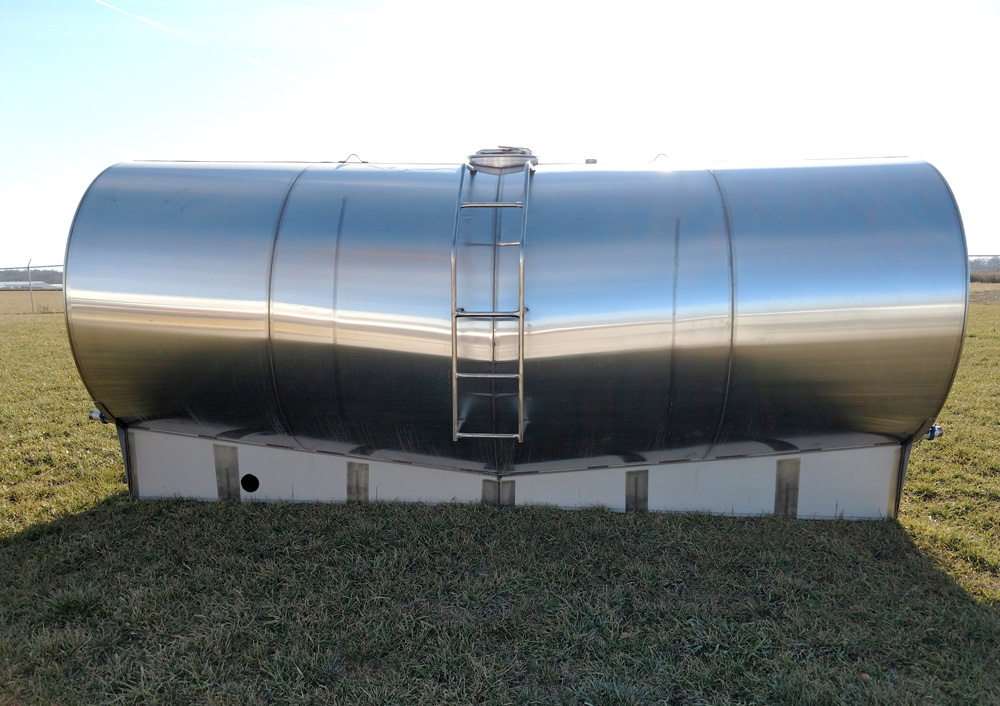
1 What product will you store?
■ Product chemistry, concentration, and temperature (among other factors) affect tank material selection.
■ Stainless steel, fiberglass, and carbon steel each have appropriate applications. There is NOT a single tank material that is best in all applications.
■ Consider today’s needs and future use. A change in product may require a different tank.
■ Selecting the correct material will increase the useful life of the tank, reduce repairs and maintenance, downtime, and risk of failure.
2 What is the tank material’s source and quality?
■ Understand the material specifications. The broad terms “stainless steel,” “carbon steel,” or “fiberglass” can be misleading.
■ Each material (T304, T316, ISO resin, VE resin, A-36, etc.) has specifically engineered compositions. These compositions are very important in how the material resists corrosion and performs structurally.
■ For stainless steel and carbon steel tanks, request mill certifications and material traceability. For fiberglass tanks, confirm the resin, laminate construction, and corrosion barrier.
3 Is the tank designed to safely carry the loads?
■ Equal gallon capacity does not mean equal construction. Compare material thickness and the overall design.
■ Confirm the maximum product specific gravity for which the tank is designed.
■ Confirm that the design addresses applicable wind, seismic, snow, foundation, and anchorage requirements
■ A substantially lighter tank deserves a closer look. Ask what accounts for the weight difference and request supporting design information.
■ For Fiberglass tanks, Precision Tank uses a helical wound design for superior strength.
4 How is construction quality verified?
■ Ask how seams, joints, fittings, assemblies, and attachments are fabricated and inspected.
■ For steel tanks, ask about welding procedures, welder qualifications, and proper weld cleaning and finishing.
■ For fiberglass tanks, ask about laminate quality and cure controls.
■ For all tanks, confirm the inspections and tests performed and documented.
5 Is the tank safe for your site and operation?
■ The safety of our teams is first!
■ Improper design can be a serious safety risk.
■ Ensure the tank has appropriate safeguards for safe filling, storage, withdrawal, and access, supported by clear operating and inspection instructions.
■ Account for the potential liability from a leak or spill—including cleanup costs, property damage, and third-party claims—when selecting and designing your tank.
Contact us for a tank-quality presentation or help reviewing specifications for your
next project.
Jeff Hughes - IA, MN, WI, NE, SD, ND
641-584-2900 | jhughes@precisionbuild.com
Ryan Bengtson - IA, MN, NE, SD, ND, WI
515-419-5156 | rbengtson@precisionbuild.com
Sam Numedahl - IN, OH, MI
260-209-4988 | snumedahl@precisionbuild.com
Scott Lauher - IL, IN, OH, MI, MO
217-361-6051 | slauher@precisionbuild.com
Office
217-391-9751 | sales@precisionbuild.com